Success by Design
25 Influential Women
The Historical Legacy of the UN General Assembly
by Carletha Cole
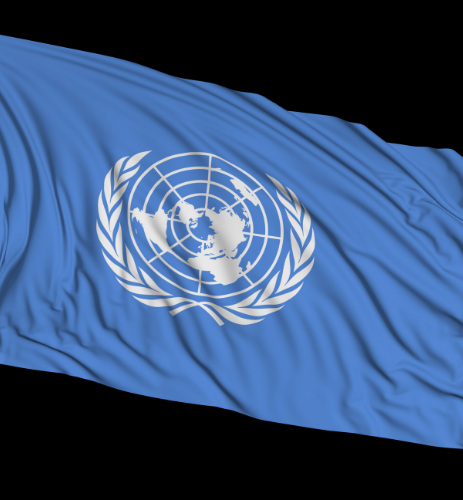
To understand the significance of UNGA 80, it is necessary to examine the history of the General Assembly. Established in 1945, following the devastation of World War II, the UNGA was envisioned as the “parliament of humanity.” Unlike the UN Security Council, where a handful of powerful nations hold vetoes, the General Assembly gives each of its 193 member states an equal voice and vote.
Over the decades, the Assembly has played a critical role in shaping international norms. In 1960, it oversaw the “Year of Africa”, when 17 newly independent African nations joined the UN. In 1981, it declared the International Year of Peace, emphasizing disarmament and dialogue during the Cold War. More recently, in 2015, it adopted the 2030 Agenda for Sustainable Development, which continues to
guide international priorities.
Each of these milestones reflects the UNGA’s role as a moral compass for the international community. While it cannot enforce peace directly, it provides legitimacy, builds consensus, and offers a stage where even small states can shape the global agenda. The 80th session draws on this legacy while charting a new course for the future.