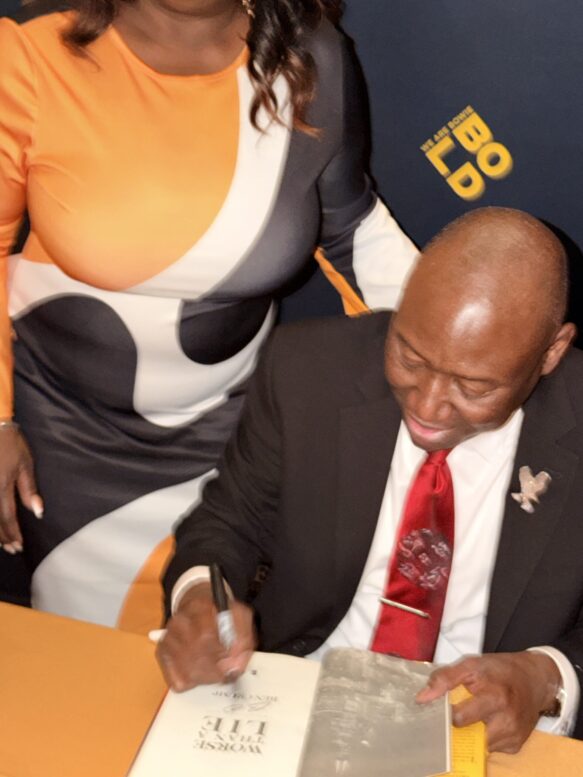
Truth on Trial: Inside Benjamin Crump’s Worse Than a Lie and the Rise of Beau Lee Cooper
There was a rhythm to Benjamin Crump’s book tour that felt less like a traditional literary circuit and more like a movement in motion, part courtroom, part classroom, part community gathering. Wherever he stopped, the conversation followed him, and it stayed with you long after.
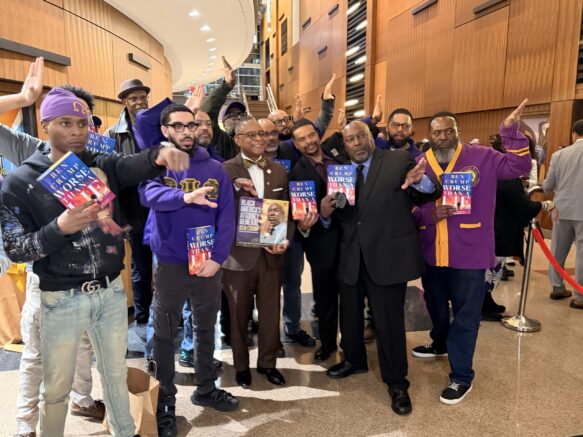
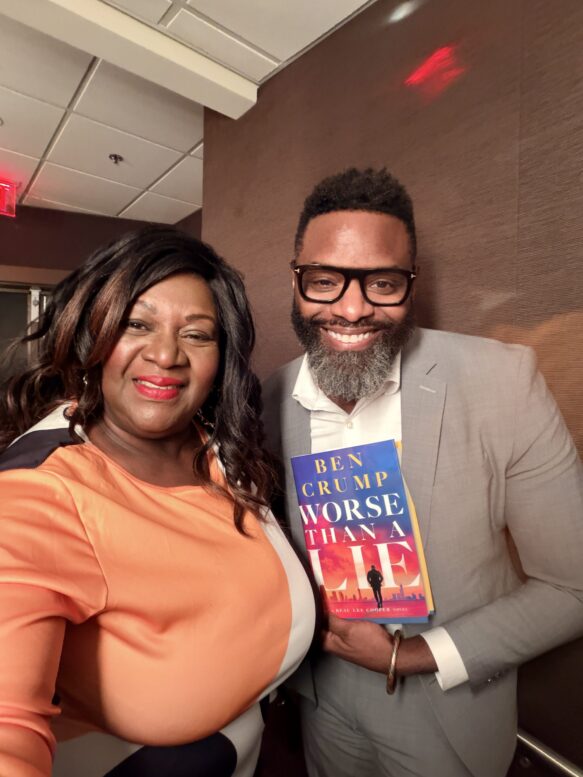
It began in Washington, D.C., at MahoganyBooks, a space that doesn’t just sell books, but holds culture. The room filled early. People weren’t just there to get a signature; they came ready to engage.
Crump opened the discussion by grounding everyone in the heart of his book, Worse Than a Lie. He spoke about the main character not as fiction, but as a reflection, someone navigating a system that often decides outcomes before truth has a chance to breathe.
Beau Cooper Lee, the main character, is portrayed as an ordinary man caught in extraordinary circumstances.
“This character,” he said, pausing to look across the room, “represents countless individuals whose stories never make headlines. People who are caught in a system that can mislabel, misjudge, and move on, while their lives are forever changed.”
The audience leaned in. You could feel the shift. This wasn’t storytelling for entertainment. It was storytelling with purpose.
Beau Cooper Lee is not written as a flawless hero, but as a deeply human figure, someone with a past, relationships, and vulnerabilities that make his situation feel real and immediate. This grounded characterization allows readers to connect with him not just intellectually, but emotionally.
Howard University: Where the Questions Got Sharper
At Howard University, the conversation deepened. Students didn’t just listen—they challenged, questioned, and pushed. One student asked directly, “Is the character supposed to mirror your cases?”
Crump didn’t dodge it.
“Absolutely,” he replied. “I’ve seen versions of this story in real life more times than I can count. The difference is—in real life, there’s no editor. There’s no rewrite. People live with the consequences.”
He broke down how the character’s journey—being misjudged, navigating legal barriers, fighting to reclaim dignity—parallels real-world injustices. From wrongful accusations to systemic bias, he made it plain: the line between fiction and reality is thinner than most people want to admit.
And then he shifted the responsibility.
“The question isn’t whether this happens,” he said. “The question is—what are you going to do when you see it happening?”
That’s when the room got quiet. Not disengaged, focused.
There was also a quiet but unmistakable presence of his brotherhood with Omega Psi Phi Fraternity. It showed up in his discipline, his clarity, his sense of duty. Not something he had to announce, something you could feel.
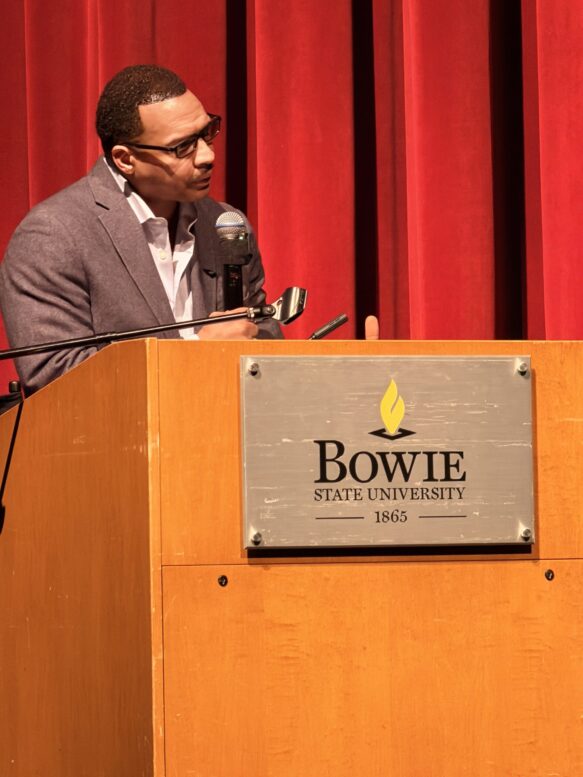
Bowie State University: Where It Got Real
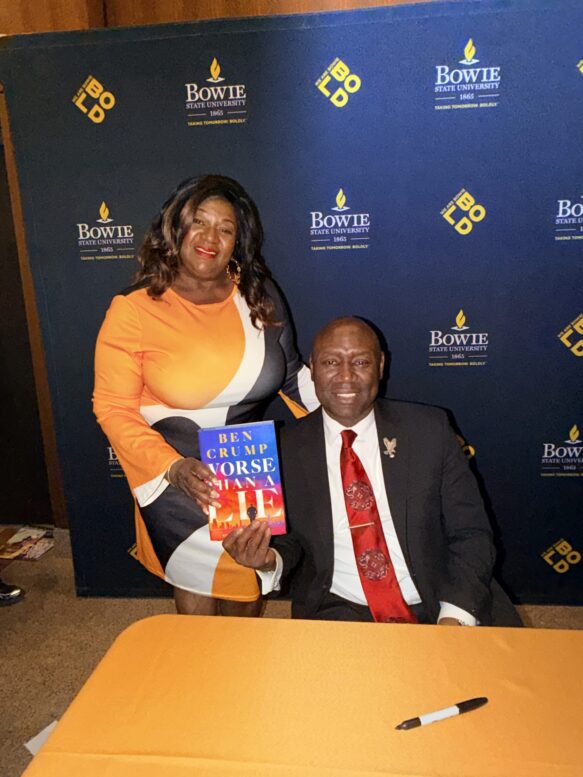
By the time the tour reached Bowie State University, the conversation had evolved into something more direct—more personal.
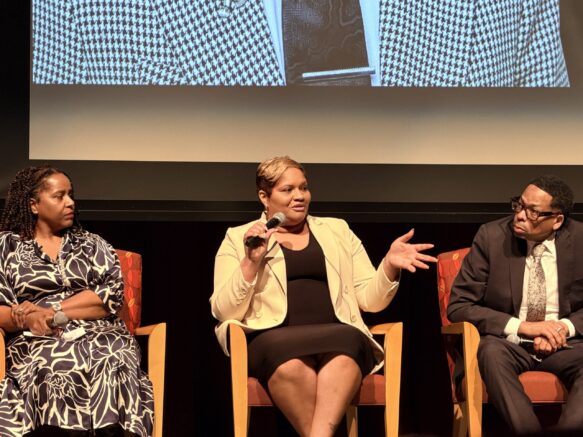
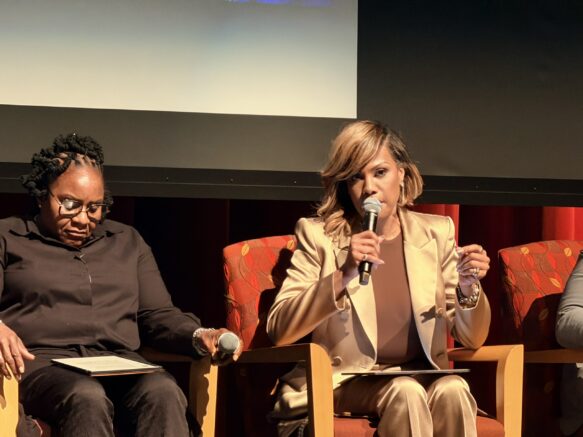
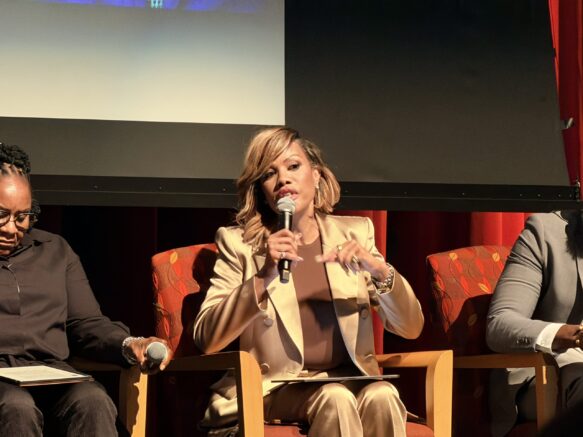
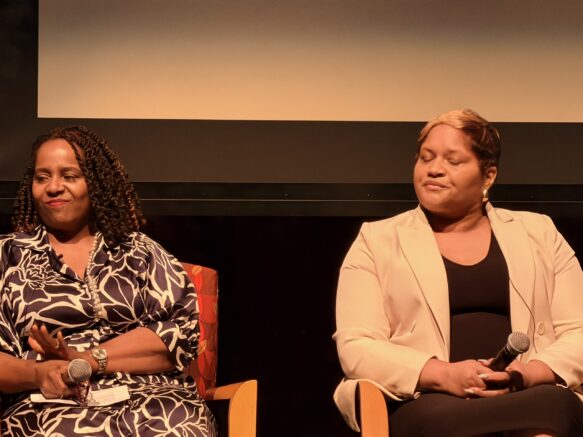
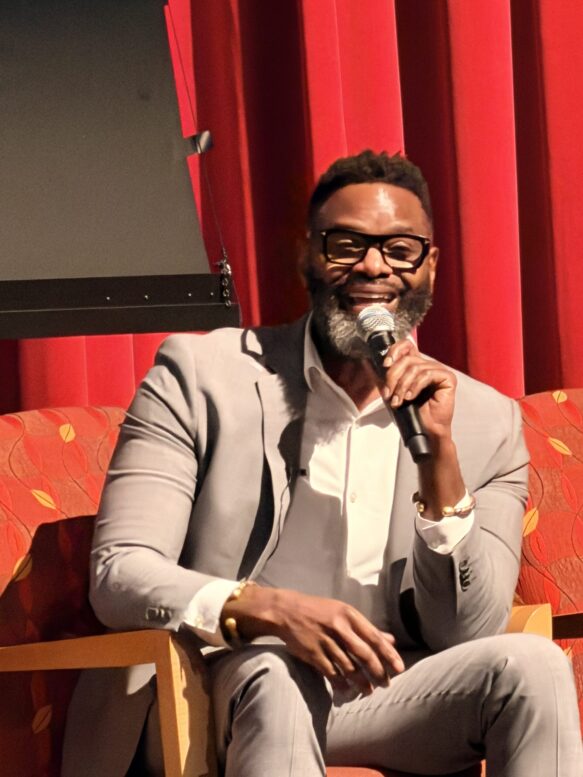
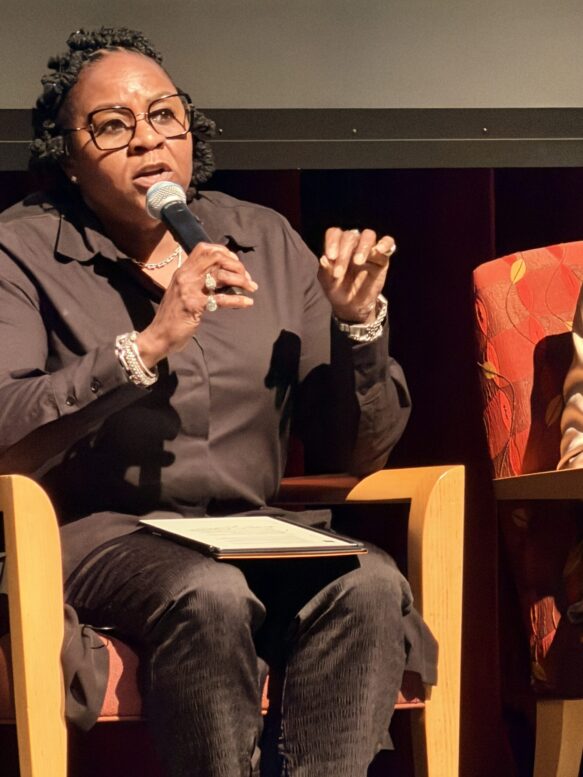
The book signing expanded into a panel discussion with Dr. Rashad Richey, and this is where the dialogue turned from thoughtful to urgent.
Mental health. Bail reform. Real consequences.
Richey pressed into the psychological impact of the system.
“We talk about incarceration,” he said, “but we don’t talk enough about what it does to the mind before someone is ever convicted.”
Crump nodded, tying it back to his book’s main character.
“That’s exactly it,” he responded. “My character isn’t just fighting a legal battle—he’s fighting to hold onto himself. Imagine being treated like you’re guilty before you even have your day in court. That does something to a person.”
The conversation turned to bail reform, how people, often from marginalized communities, sit in jail not because they’ve been convicted, but because they can’t afford freedom.
Crump didn’t sugarcoat it.
“The system doesn’t just test your innocence,” he said. “It tests your endurance. And not everyone makes it through that test the same.”
You could see people processing that in real time. Some nodded. Some looked down. Some just sat still. Because the truth is—this wasn’t abstract.
More Than a Book
Across every stop—from MahoganyBooks to Howard to Bowie—one thing stayed consistent: the main character in Crump’s book became a mirror.
Not a distant figure. Not a fictional escape.
A reflection of real people navigating real systems with real consequences.
And that’s what made this tour different. It wasn’t about turning pages—it was about turning perspectives.
Crump didn’t just introduce a character. He introduced a conversation that people are now carrying with them.
And if you were in any of those rooms, you didn’t just leave with a signed book. You left with something to wrestle with.
Ben Crump uses Beau Cooper Lee as a lens to translate real-world civil rights concerns into fiction.
By centering the novel on one man’s struggle to be believed, Crump underscores a powerful idea: injustice is not just about laws or systems, it’s about people whose truths are often overlooked.
In short, Beau isn’t just the protagonist, no he represents the very question the book asks: What does it mean when the truth exists, but no one is willing to accept it?