When Nations Stall, People Must Step Forward

When Nations Stall, People Must Step Forward

by Carletha Cole

As conflicts multiply, civilians carry the heaviest burden. The UN Secretary-General was blunt: peace will not appear by accident. It must be built, defended, and demanded. That’s where philanthropy and civil society cannot afford to look away.

Too often, leaders wring their hands while wars rage. But NGOs and philanthropists can act faster, and often braver. You can redirect capital where it saves lives. You can support the mediators, educators, and activists that governments overlook. You can push back when hate speech infects public discourse.

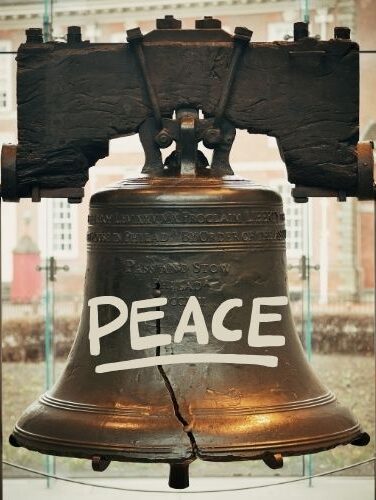
The Peace Bell ceremony this year wasn’t symbolic; it was a warning. If civil society doesn’t step into the gaps, peace efforts collapse. If philanthropy doesn’t target prevention, the cost, in lives and dollars, will be staggering.

So, ask yourself: is your philanthropy transactional or transformational? Is your advocacy reactive or preventative? The UN Charter isn’t just paper; it’s a mandate. And it needs you, right now, to keep peace alive.
Forging Peace Isn’t a Ceremony, It’s a Responsibility We Share

Forging Peace Isn’t a Ceremony, It’s a Responsibility We Share

by Carletha Cole

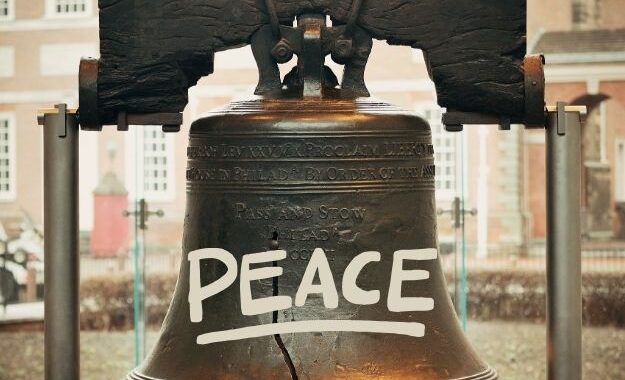
Every September, the UN Peace Bell rings with solemn dignity. Yet Secretary-General António Guterres reminded us: peace isn’t ceremonial, it’s forged. And it’s not only forged in conference rooms but also shaped by every action civil society and philanthropy take in neighborhoods, schools, and fragile communities worldwide.

Philanthropists and NGOs are uniquely positioned to act where governments stall. You fund grassroots peacebuilders. You amplify voices that conflict with silence. You innovate when institutions are slow. But here’s the truth: writing a check isn’t enough anymore. What’s needed is strategic courage.

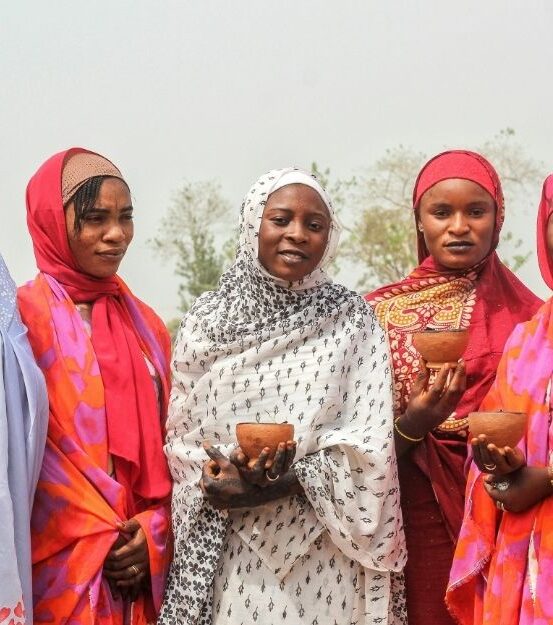
Invest in women and youth peacebuilders who are already

preventing violence, and direct resources to climate resilience projects that cut off conflict at its root. Strengthen digital literacy to combat disinformation and hate speech. These aren’t side projects; they are the frontline of peace.

Peace isn’t passive. If you lead a foundation or a grassroots movement, know this: the UN is calling for courage, compromise, and action. But it’s your networks, resources, and resolve that will decide whether peace is just a bell ringing or a reality forged.

Global Interests Must Trump National Ones, Here’s Why Civil Society Matters

Global Interests Must Trump National Ones, Here’s Why Civil Society Matters

by Carletha Cole

At the opening of the 80th UN General Assembly, Secretary-General Guterres said what many diplomats hesitate to: national interest is strangling global cooperation. And in an age of pandemics, climate collapse, and mass displacement, national silos are recipes for failure.

Here’s the opportunity, and the responsibility, for philanthropists and civil society. Borders do not bind you. Your funding, your advocacy, and your storytelling can transcend where politics cannot. You can remind communities that solidarity isn’t charity, it’s survival.

When governments fixate on elections and egos, it’s your institutions that keep climate finance flowing to vulnerable farmers. It’s your campaigns that hold human rights violations in the headlines. It’s your youth networks that ensure multilateralism has a future constituency.

Looking beyond national interest is not abstract diplomacy. It’s building solar grids in conflict zones. It’s keeping refugee children in classrooms. It’s supporting digital governance that protects human dignity.

The UN set the challenge. The question is: will civil society rise above the paralysis of governments and act?