making a global impact
A United Nations at the Crossroads: Leadership, Reform and the Search for Global Trust
by Silke Endress International
The question facing the United Nations is not if reform is needed, but whether it can adapt quickly enough to remain the world’s essential forum for peace, diplomacy, and collective action. Over the past decades, the UN has launched numerous reform efforts aimed at improving its effectiveness, from the Agenda for Peace in the 1990s to management and budgetary reforms introduced in the years since. While some of these initiatives have brought incremental progress, many challenges persist, underscoring the difficulty and importance of meaningful transformation.
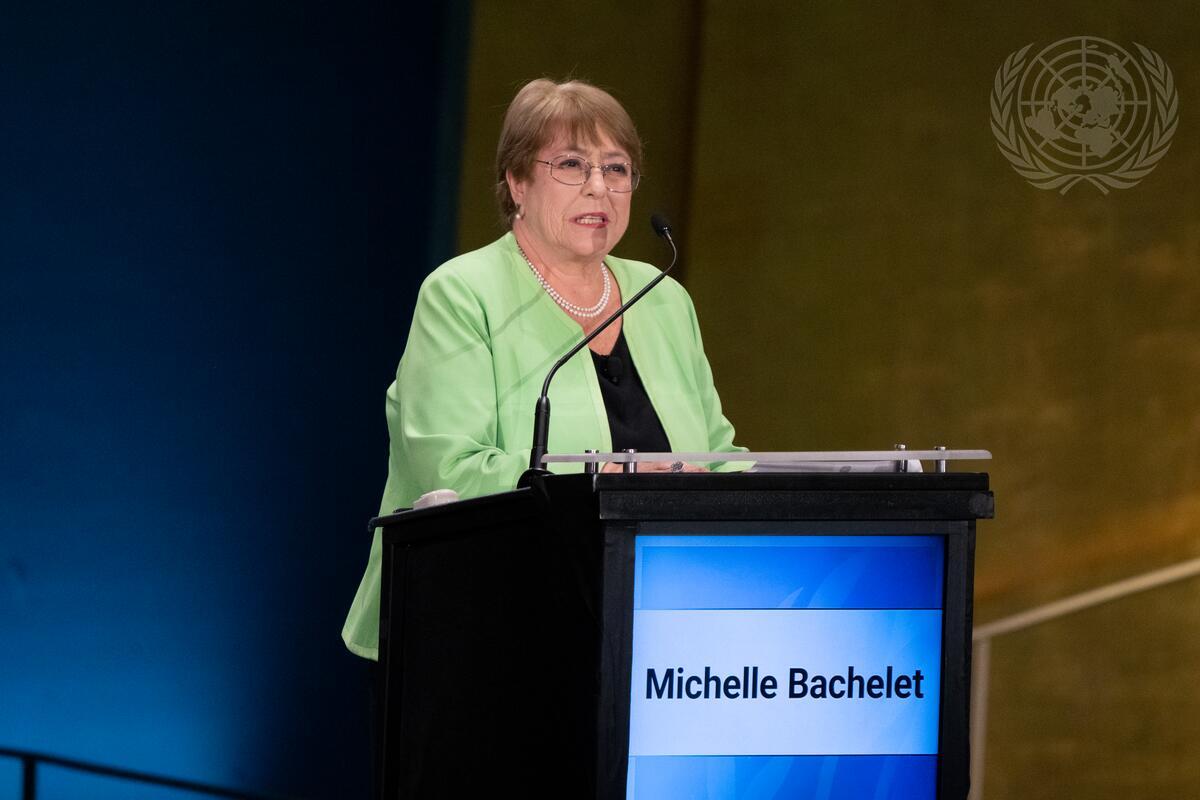
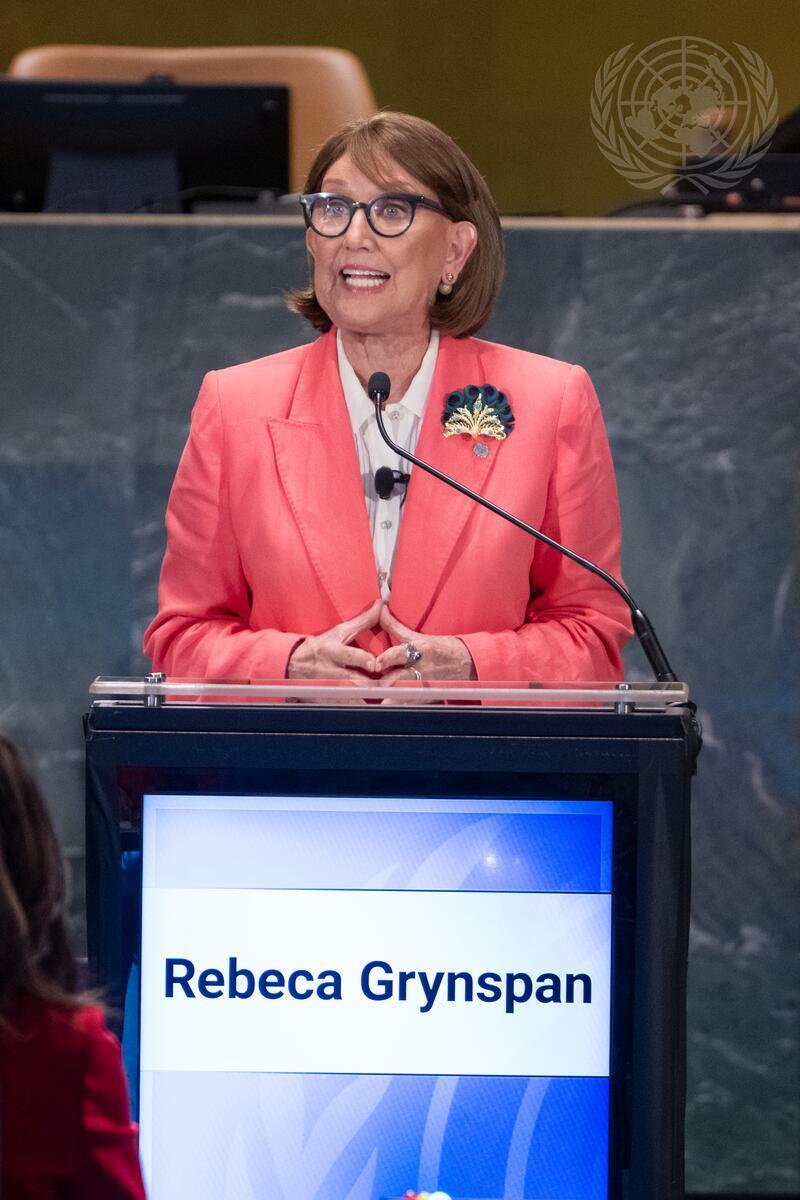
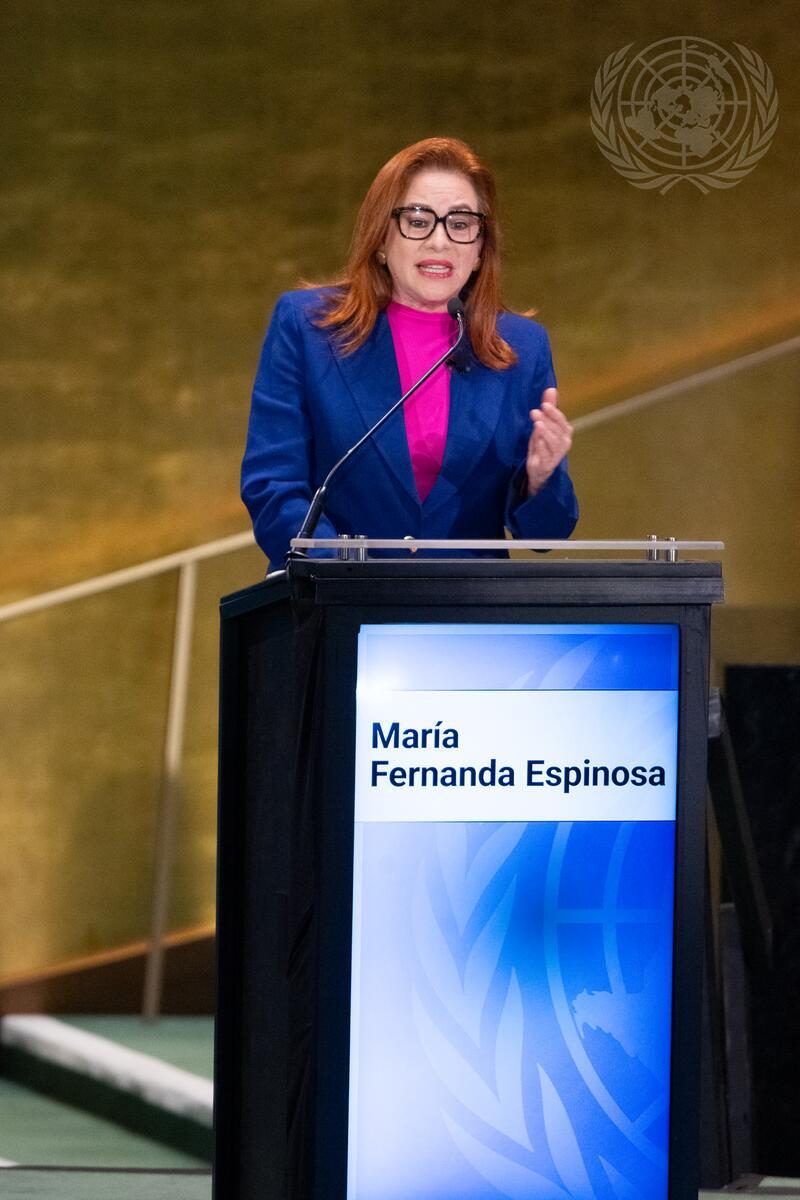
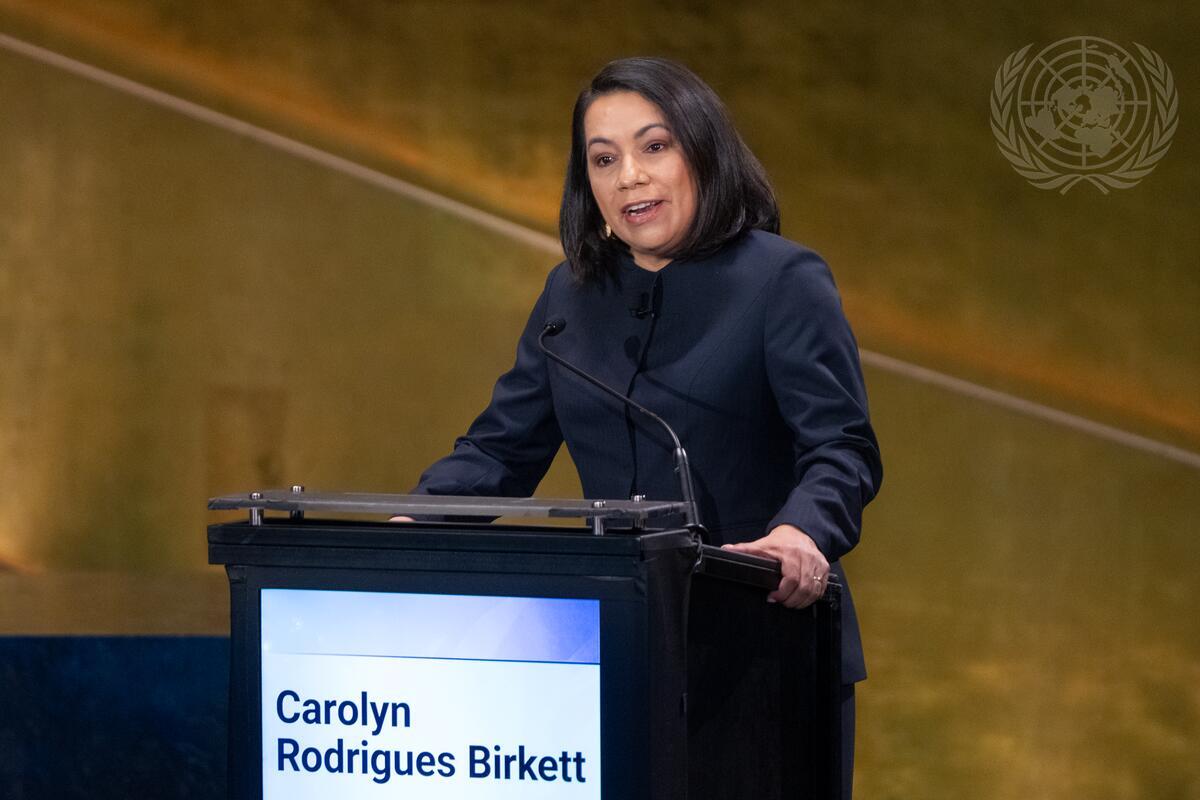
At the recent United Nations Town Hall for Secretary-General candidates, six leaders offered similar assessments of the organization’s challenges. Their differences focused more on execution than vision. Throughout the discussion, one message was clear: the United Nations must become leaner, more responsive, more accountable, and more connected to those it serves.
The discussion centered on three pillars: Peace and Security, UN Reform and Leadership, and Global Challenges and Opportunities.
This provided a rare opportunity to hear how each candidate would guide the organization through a pivotal period.
Notably, all candidates acknowledged that today’s global crises cannot be managed with outdated institutional models.
Rebuilding Trust in an Era of Fragmentation
Trust was the central theme of the discussion. Candidates emphasized that restoring confidence among Member States, UN staff, civil society, and citizens must be the foundation of the next administration, whether addressing conflict, humanitarian response, or institutional credibility.
That trust has been tested.
With seventy-two Member States yet to meet their financial obligations, concerns about sustainable financing are now closely linked to questions of effectiveness. For example, in 2023, funding shortfalls forced the World Food Programme to cut rations in several countries, including Yemen and Afghanistan, leaving millions at greater risk of hunger. This financial reality highlights a broader issue: international cooperation cannot succeed if its supporting institutions struggle to sustain themselves.
Yet the candidates refused to frame reform solely as a budget exercise.
Instead, they envisioned an organization that delivers measurable impact, reduces bureaucracy, empowers field offices, embraces digital innovation, and strengthens managerial accountability.
The phrase “leaner but stronger” reflected a shared understanding that efficiency must not come at the expense of the United Nations’ moral authority.
UN Photo/Mark Garten
Peace Must Be Built Before Conflict Escalates
On peace and security, the discussion shifted from reaction to prevention.
Candidates argued that prevention must move from an aspiration to an operational discipline.
Many advocated shifting more authority to regional organizations, local partners, and communities already working on the front lines of conflict prevention, rather than relying solely on headquarters. For instance, candidates suggested mechanisms such as increasing direct funding for grassroots initiatives, integrating local leaders into UN mission planning, and establishing joint decision-making bodies that include regional and community representatives. Decentralizing operational authority and involving those with firsthand knowledge of local dynamics were presented as practical steps to ensure solutions are responsive and sustainable.
The concept represents a significant cultural shift.
Future peacebuilding efforts should be informed by those closest to the crisis, rather than designed in New York and delivered outward.
This shift from supply-driven operations to demand-driven partnerships reflects a growing recognition that sustainable peace cannot be imposed; it must be locally owned.
Governing Emerging Technologies
Artificial intelligence was also a key topic in the conversation.
Rather than viewing AI as a threat or a miracle, candidates described the Secretary-General’s future role as a global convener, bringing together governments, academia, innovators, and the private sector to establish governance frameworks that foster innovation and protect humanity.
UN Photo/Eskinder Debebe
UN Photo/Eskinder Debebe
Several candidates referenced the importance of concrete frameworks, such as international agreements on AI ethics, the creation of a global registry of high-risk algorithms, and the establishment of norms for transparency and accountability. They suggested adapting existing models like the Paris Call for Trust and Security in Cyberspace, developing formal global advisory bodies for AI oversight, or drafting UN-led conventions that set standards for safe and inclusive AI development. Making progress on these types of agreements could help ensure that technological advances are guided by shared values rather than fragmented national approaches.
The discussion recognized that technology now evolves faster than traditional diplomacy. Global institutions must become agile enough to shape emerging norms before technological disruption surpasses international consensus.
Beyond Reform
A key outcome of the Town Hall was the notable convergence among candidates.
Despite their varied experiences and leadership styles, all agreed that multilateralism is the strongest defense against fragmentation, prevention deserves more investment than crisis response, and local communities must be genuine partners, not passive beneficiaries. These principles have significant implications for the design of future UN policies. Strengthening multilateralism suggests that policy frameworks should facilitate greater international collaboration and shared decision-making processes. Prioritizing prevention implies that resources and mechanisms must be realigned to support early warning systems, conflict mediation, and resilience-building initiatives before crises escalate.
Making local communities active partners means that policy development should incorporate participatory approaches, elevating the voices of those most affected and ensuring implementation strategies are tailored to local contexts.
By systematically integrating these commitments, the United Nations can move from aspirational rhetoric to practical, effective global action.
Yet consensus alone will not define the next Secretary-General’s legacy.
Implementation will. The next leader will inherit an institution facing geopolitical tension, financial uncertainty, rapid technological disruption, widening inequality, and growing skepticism about international cooperation.
The next chapter of the United Nations will be defined by action, not speeches. Its success will be measured by whether global trust can be rebuilt through action. As the selection process continues, the world is watching not only who will lead the United Nations, but also whether the institution is prepared to lead in a rapidly changing world.
UN Photo/Eskinder Debebe