Barbara Stanny, Authority on Money

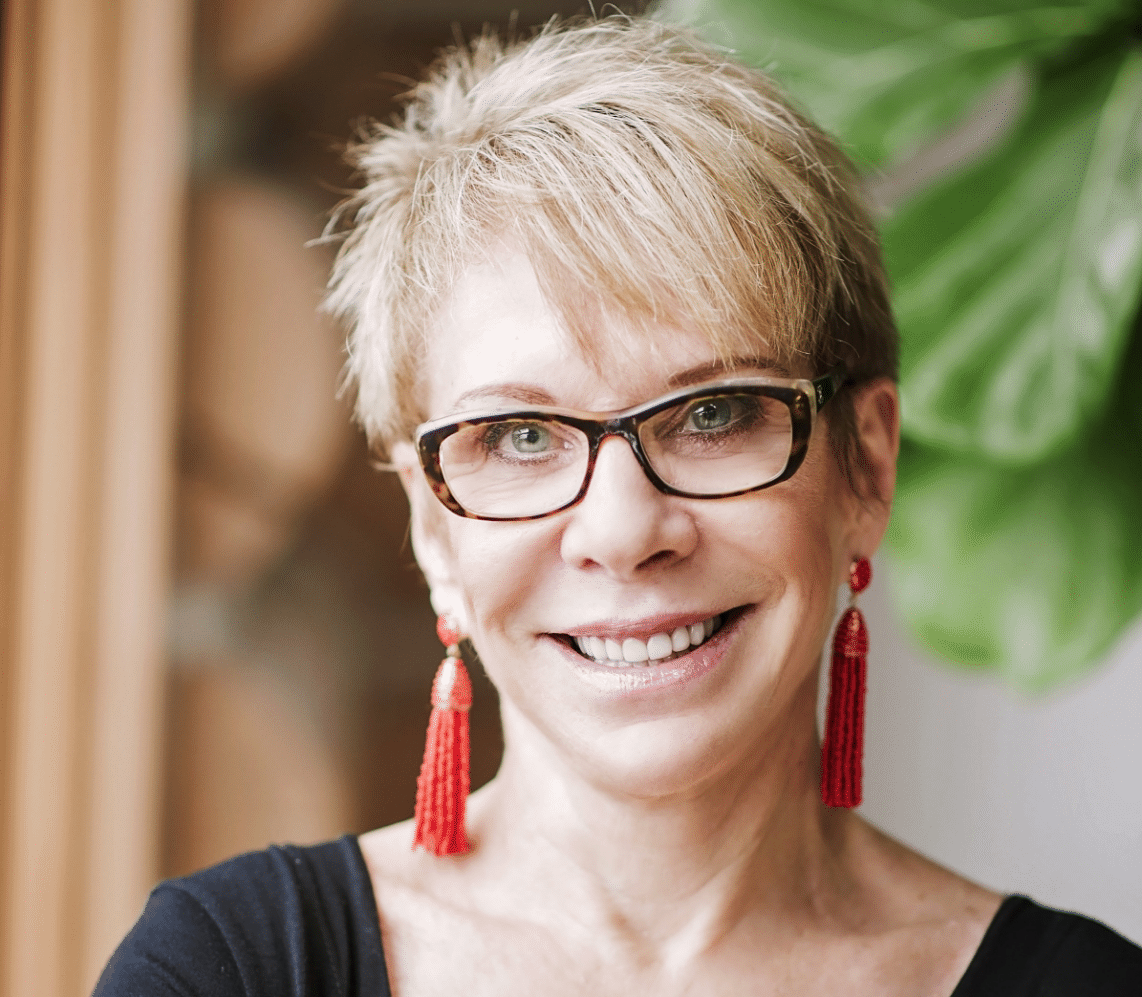
Barbara Stanny Huson

Barbara grew up relying on her father (the “R” of H&R Block), then her husband, to manage her inheritance. But early in Barbara’s marriage, she found out her husband was a compulsive gambler. And here’s the insane part — she continued to let him handle all their finances because that’s how scared and intimidated she was by money.

That didn’t change until a devastating financial crisis became a personal wake-up call. Barbara received tax bills for over $1m for illegal deals her ex got them in. He’d left the country. She didn’t have anywhere close to $1m. And her father wouldn’t lend her the money. Barbara had three daughters — one just a baby, and she was not going to raise them on the street. That’s when Barbara knew she had to get smart. And she did.

Barbara shares her journey to financial independence in hopes of inspiring, and even better, motivating YOU to become smart (or smarter) with money… and earn more than you’re making now. It’s much simpler and more in your control than you may realize.

She discovered a surprising series of insights that all these women shared — insights that enabled them (and eventually, her) to get smart about money. Those insights became the core of her first book, Prince Charming Isn’t Coming: How Women Get Smart About Money (Penguin).

Suddenly, Barbara was a financial expert, with a whole new career, traveling the country educating women about money. But she couldn’t make money, at least not very much, no matter how hard she worked. That’s when her mentor, Karen McCall, told her, she was an underearner.

“I am not!” Barbara protested. “I’m a writer. Everyone knows writers don’t make money!!!”

Barbara truly believed that until she decided to focus her research on women’s earnings. Rather than concentrate on the wage gap and gender barriers, she turned her attention to the women who were breaking those barriers.
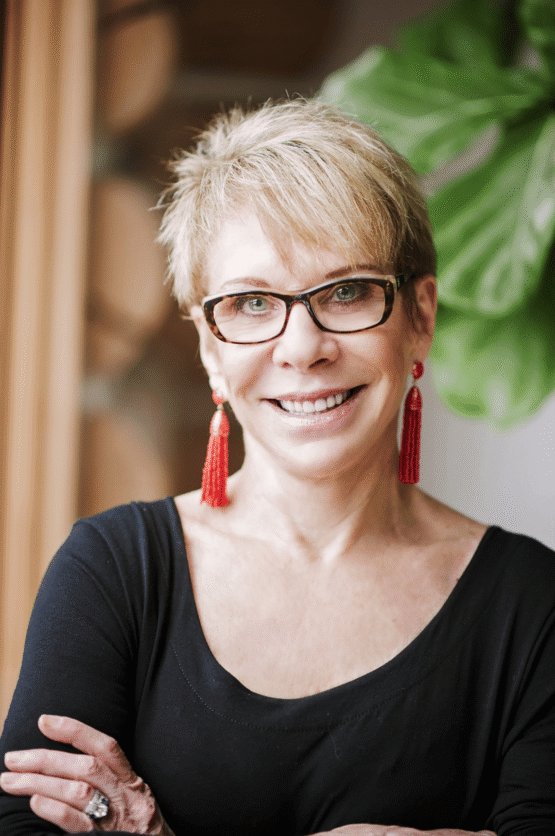
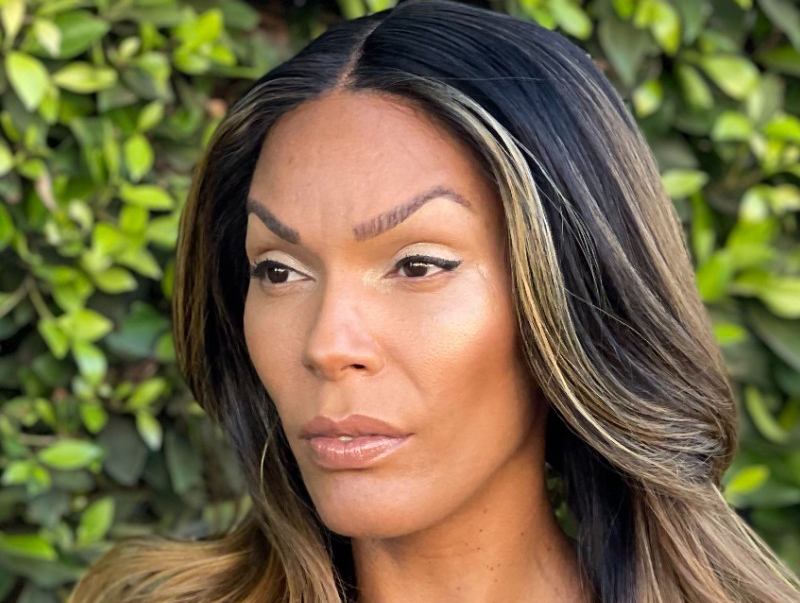
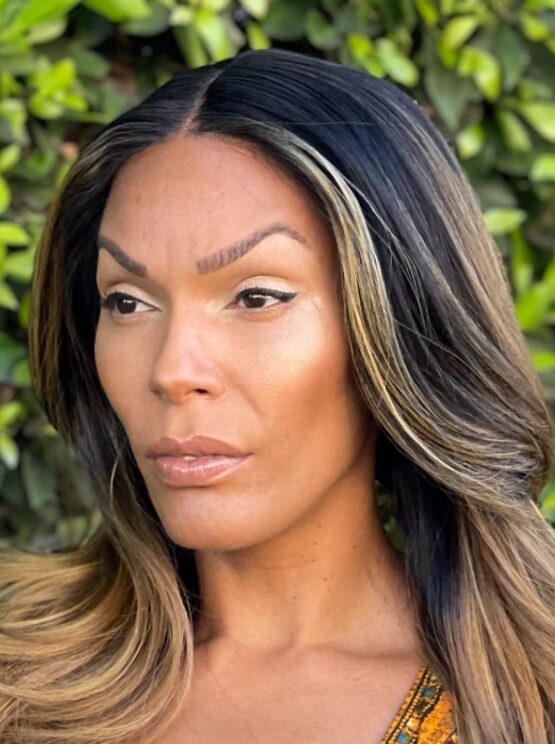
Olympia Scott, WNBA All Stars

Photo: LinkedIn

Olympia Scott, and this is her story!

Olympia Scott, WNBA All Stars

Olympia Scott is the first woman in history to win a WNBA Championships with 2 different teams, doing so in 2005 with the Sacramento Monarchs and in 2007 with the Phoenix Mercury. Ms. Scott was instrumental in forming the Women’s National Basketball Players’ Association and served on its Executive and Negotiating Committees and as the Secretary-Treasurer for multiple terms. Prior to playing 10 seasons in the WNBA and 11 seasons in 6 different European countries, she was a 4-year starter for the Stanford University Women’s Basketball Team where she earned a BA in Sociology, was named Team Captain, All Pac-10, All-American, a finalist for the Naismith Player of the Year Award and became a member of Delta Sigma Theta, Sorority, Inc. Ms. Scott also won gold and bronze medals for the US National Team and in 2013 she was inducted into the Stanford University Athletic Hall of Fame.

After playing professional basketball for over a decade, Ms. Scott became an entrepreneur/speaker/author on a mission, starting with co-founding Super Parenting, LLC a parenting education company, and co-authoring the book, Super Parenting: Raising the Next Generation. Ms. Scott served as a sports ambassador for the US State Department and represented the WNBA & NBA traveling internationally providing basketball clinics, motivational speaking, and Super Parenting seminars. Additionally, Ms. Scott was recruited into the human resources industry as an Executive Recruiter, partnering with Top ENR general contractors, real estate developers and construction management firms providing talent acquisition strategy and services.

Currently, Ms. Scott is an entrepreneur living in Los Angeles, CA, the President & CEO of Super Parenting, LLC and of Marshall & Marshall Design, LLC, an architecture and design consultancy focused on building design and intellectual property. In addition, Ms. Scott is a motivational and keynote speaker, workshop facilitator, and Certified Master Life Coach serving universities, Fortune 500 companies, non-profits, municipalities, students and professionals in the areas of career coaching, executive coaching, leadership coaching, purpose discovery and transformation with her company, Changing the Game Coaching.

Although her basketball career is over, Ms. Scott’s true legacy has just begun, as she is a charismatic leader and change agent with an inspiring energy that she uses as a means to connect people to positive messages of hope and responsibility as she endeavors to change the world, one person at a time!

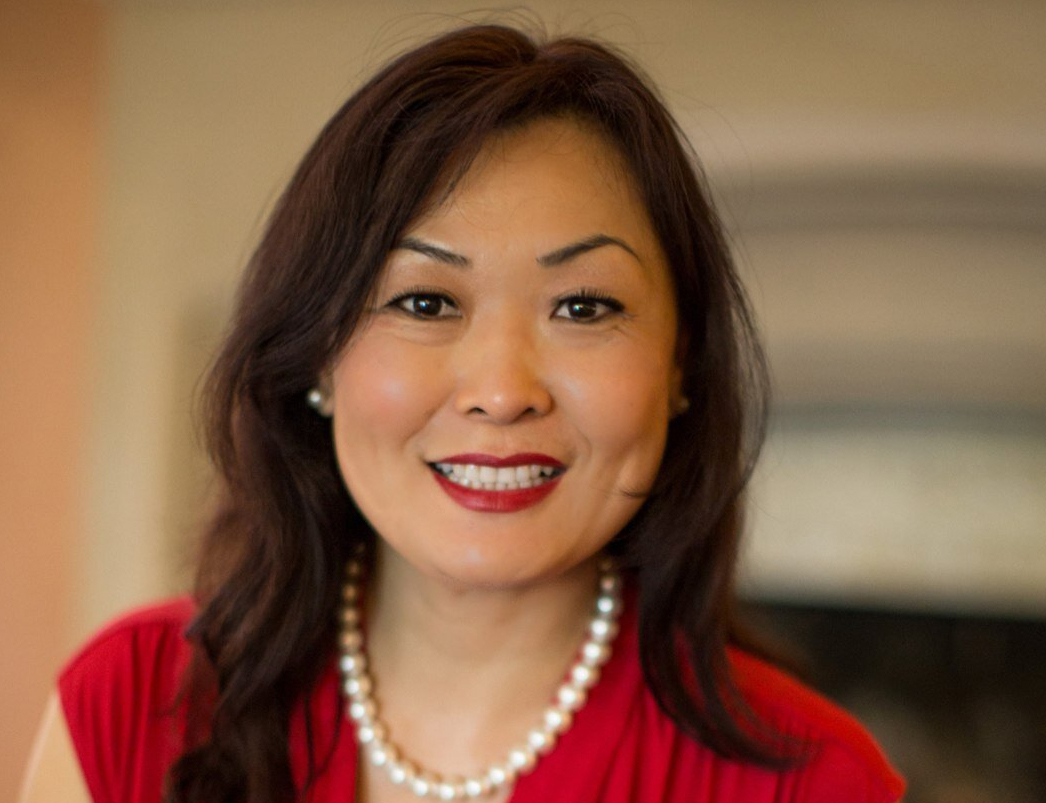
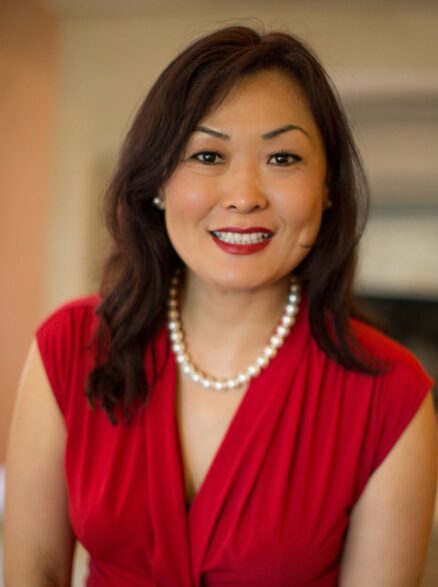
Svetlana Kim, Author

Photo credit: SvetlanaKim.com

Svetlana Kim, Author/Speaker

Svetlana Kim, Speaker, Consultant, and Award-winning author of White Pearl and I: A Memoir of a Political Refugee; co-author of The Last of the Four Musketeers: Allen Joe’s Life and Friendship with Bruce Lee; and Community Advocate.

Svetlana Kim is the author of White Pearl and I: A Memoir of a Political Refugee, which chronicles her journey from Russia to the United States, where she arrived with only one dollar in her pocket and not a single word of English at her disposal; today, she is a leader among her peers in the business world, and has been honored with numerous awards citing her commitment, skill, and integrity.

Svetlana Kim was selected to be a Spokesperson for the 2011 Macy’s Asian Pacific American Heritage Month and on May 11, 2009, Svetlana was recognized with the Daily Point of Light Award (Award Number: 3983) by Points of Light Institute created by the administration of President George H.B. Bush to honor individuals creating meaningful change in communities across America.

Kim has been featured and profiled in The New York TimesThe Wall Street Journal, The Washington Post, The Huffington Post, MSN Money, MSNBC, Women’s Life magazine in Seoul, Korea; the Asian FortuneNetworking Times; NASDAQ’s Closing Bell; and The Gazette, a publication of the Library of Congress.

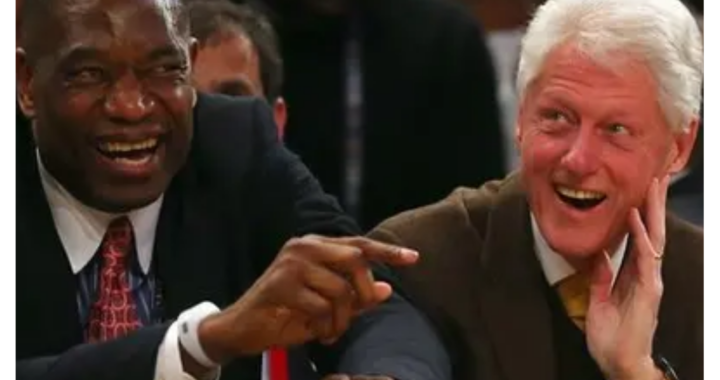
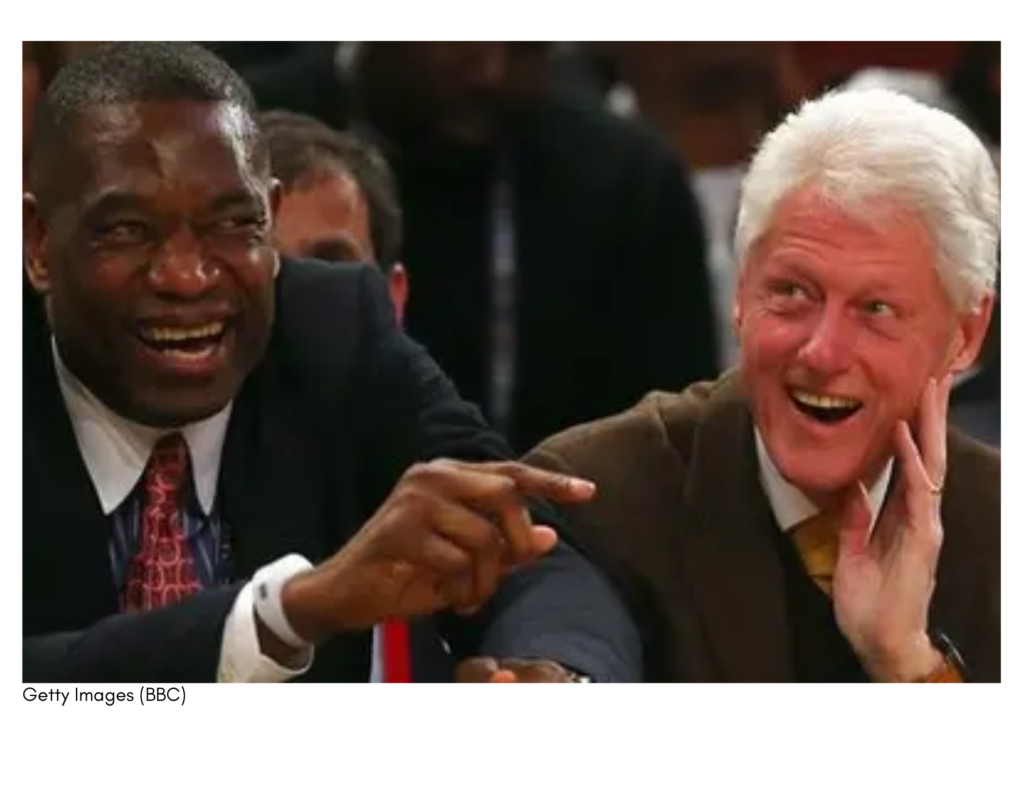
Statement from President Clinton and Secretary Clinton on the Passing of Dikembe Mutombo

For Immediate Release: September 30, 2024

Hillary and I are deeply saddened by the passing of our friend Dikembe Mutombo, a legendary basketball player, devoted humanitarian, and profoundly good man.  I’ll never forget hosting his large family at the White House.  They filled the whole stairway down to the South Lawn.

As commanding as he was on the court, he was even better off it, with a big heart to match his 7-foot-2-inch frame, a great sense of humor, and an unshakeable commitment to helping people everywhere, especially in his native Democratic Republic of the Congo.  His proudest achievement was the state-of-the-art hospital he built in Kinshasa in honor of his mother, which Hillary loved visiting in 2009.

Dikembe was also an active member of the Clinton Global Initiative community from the very beginning, making and keeping commitments to support the hospital and more economic opportunity across Africa.  He was the real deal and inspired everyone at CGI to follow his lead.  He once told me that he blocked shots for a living, but he lived to save lives and open doors.

Our thoughts and prayers are with Rose, his children, and everyone else who loved him, was inspired by him, and is living a better life today because of him.

The Rising Power of Black Women-Owned Businesses

The Rising Power of Black Women-Owned Businesses

In recent years, there has been a significant surge in the growth and success of black women-owned businesses, and their impact on the global economy cannot be overstated. These enterprises have emerged as powerful engines of job creation, economic empowerment, and innovation, contributing to the overall prosperity of communities worldwide. This article explores the state of black women-owned businesses, highlighting their role in generating employment opportunities and propelling economic growth on a global scale.

The Resilience and Tenacity of Black Women Entrepreneurs

Historically, black women have faced numerous challenges when starting and running businesses. Discrimination, lack of access to capital, and societal barriers have often hindered their progress. However, black women entrepreneurs have demonstrated exceptional resilience and tenacity in overcoming these obstacles, leading to the establishment of a diverse range of businesses across various sectors.

The Rapid Growth of Black Women-Owned Businesses

In recent years, the number of black women-owned businesses has been on the rise globally. According to the 2019 State of Women-Owned Businesses Report commissioned by American Express, the number of women-owned businesses grew by 21% between 2014 and 2019 in the United States. Additionally, the same report found that black women-owned businesses saw remarkable growth during that period, with a 50% increase in the number of firms and a revenue growth of 58%.

Fostering Innovation and Diversity

Diversity in business ownership leads to increased innovation and creativity. Black women-owned businesses bring unique perspectives and solutions to the market, enhancing competition and driving progress in various industries. Their presence in sectors such as technology, healthcare, finance, and entertainment has led to groundbreaking advancements and new business models that benefit societies at large.

Global Market Penetration

As barriers to international trade and communication continue to diminish, black women-owned businesses are increasingly participating in global markets. These entrepreneurs are leveraging technology and forging partnerships to access customers and clients worldwide, thereby expanding their reach and influence on the global economic stage.

The state of black women-owned businesses today is a testament to the indomitable spirit and resilience of these entrepreneurs. As they continue to grow and thrive, their

impact on the global economy becomes increasingly significant. By creating jobs, empowering local communities, fostering innovation, and engaging in global markets, black women-owned businesses contribute substantially to economic growth and prosperity. Supporting and encouraging the growth of these enterprises is not only a matter of social justice but also a strategic move that benefits economies worldwide. As we celebrate and champion these remarkable entrepreneurs, we must also work collectively to dismantle the barriers that still exist, ensuring that their potential to drive positive change remains unhindered in the years to come.

The Empowering Impact of Women in Political Leadership

The Empowering Impact of

Women in Political Leadership


In recent decades, the global landscape of political leadership has seen remarkable shifts, with women making significant strides in breaking through traditional barriers. The importance of women’s participation in political leadership cannot be overstated. Female representation in key political roles not only brings diversity and inclusivity to decision-making processes but also serves as a powerful catalyst for social progress and economic growth. This article explores the transformative effects of women in leadership roles and highlights notable examples of women who have held esteemed positions worldwide.

Presidents

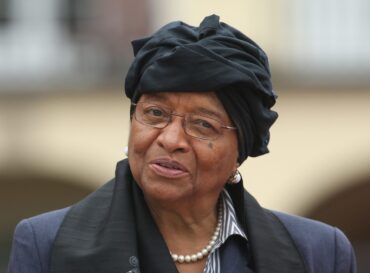
Ellen Johnson Sirleaf (Liberia)

In 2006, Ellen Johnson Sirleaf became the first elected female head of state in Africa when she assumed office as the President of Liberia. Under her leadership, the country witnessed substantial economic growth and political stability. Her efforts in peacebuilding and reconciliation earned her the Nobel Peace Prize in 2011.

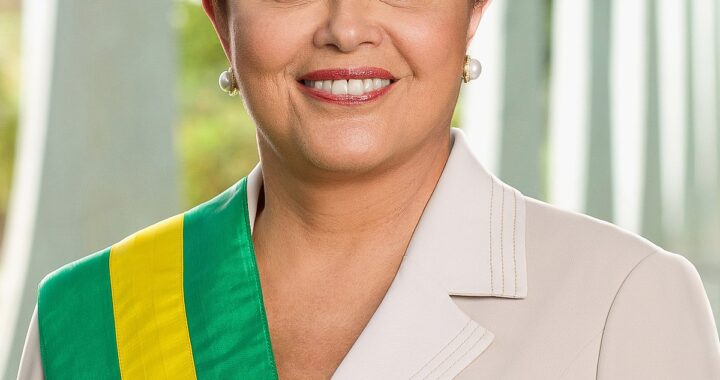
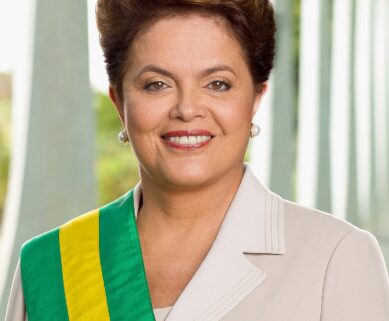
Dilma Rousseff (Brazil)

Dilma Rousseff made history as the first female President of Brazil, serving from 2011 to 2016. During her tenure, she focused on social inclusion and economic development, prioritizing poverty reduction and education reforms.

Prime Ministers

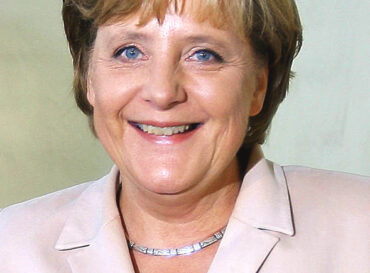
Angela Merkel (Germany)

Angela Merkel is an iconic figure in contemporary politics. As the Chancellor of Germany from 2005 to 2021, she became a global symbol of women’s political leadership. Her pragmatic approach and steady leadership guided Germany through economic challenges and the European debt crisis.

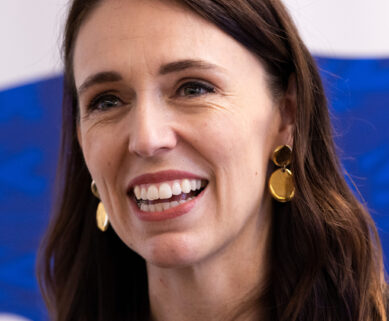
Jacinda Ardern (New Zealand)

In 2017, Jacinda Ardern assumed office as the Prime Minister of New Zealand, demonstrating strong leadership during times of crisis. Her response to the Christchurch mosque shootings and the COVID-19 pandemic garnered international praise.

“If your dreams do not scare you, they are not big enough“

The inclusion of women in political leadership positions has proven to be a transformative force, leading to more inclusive and equitable societies. The examples of women who have served as Presidents, Prime Ministers, Senators, Foreign Ministers, and Ambassadors to the United States demonstrate their ability to navigate complex challenges and create positive change. Women’s participation in political leadership is crucial for achieving diverse perspectives, addressing gender-specific issues, and fostering sustainable development on a global scale. As more women continue to break barriers, their invaluable contributions will continue to shape the world for the better.

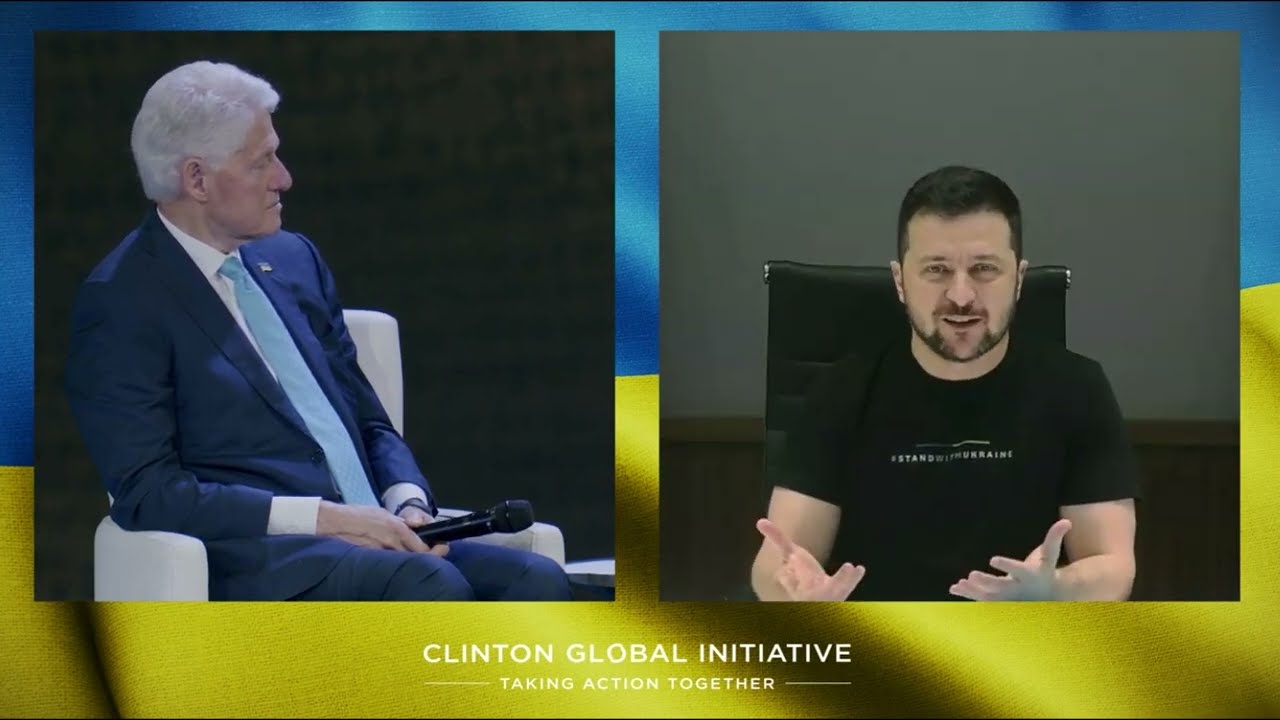
President Zelenskyy joined President Clinton on Ukraine

President Zelenskyy Conversation With President Clinton on Ukraine

President Bill Clinton, Secretary Hillary Rodham Clinton, and Clinton Foundation Vice Chair Chelsea Clinton concluded the Clinton Global Initiative (CGI) 2022 Meeting, announcing 144 new Commitments to Action that address climate change, health equity, inclusive economic growth, and the global refugee crisis. For the first time since 2016, CGI brought together global and emerging leaders to take action on the world’s most pressing challenges.

Highlights from the CGI 2022 Meeting program include:

President Zelenskyy of Ukraine and President Clinton in a one-on-one conversation about the state of global affairs; the refugee crisis created by Russia’s invasion of Ukraine; and what members of the CGI community can do to help.

Watch the conversation, and read the full transcript of the conversation here.

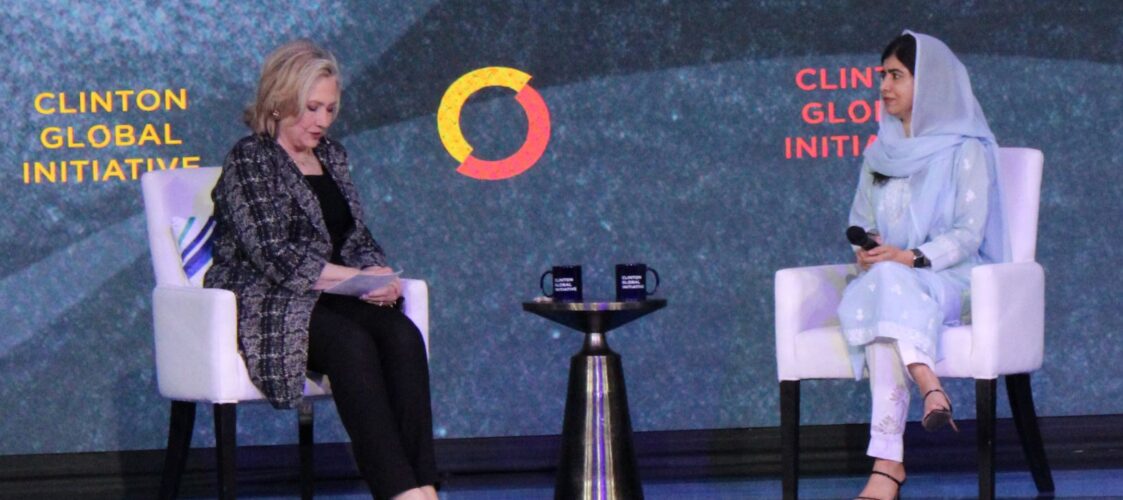
Secretary Clinton speaking with Malala Yousafzai about expanding education for girls worldwide, following Malala receiving the Elevate Prize Catalyst Award on stage;

Clinton Foundation Vice Chair Chelsea Clinton leading a tribute to Partners in Health Co-Founder Paul Farmer, announcing commitments to advance his lifelong mission of global health equity including a commitment by University of Global Health Equity to educate 3,000 new health care leaders over the next 25 years, with support from the Bill & Melinda Gates Foundation, CRI Foundation, Partners In Health, Tanzania Ministry of Health, and The Rockefeller Foundation;

Trailblazers including Ashley Judd, Actor and Partner at Kokolopori Bonobo Research Reserve; Dave Isay, Founder and President, StoryCorps; and L Morgan Lee, Tony Nominated Actress; sharing inspirational stories about new ways to address some of our greatest common challenges in the CGI Story Studio; and

Emerging social entrepreneurs in communities across the United States and around the world connecting with potential partner through the CGI Entrepreneurship Greenhouse.

Beyond Representation: Entrepreneurs and Investors of Color

Beyond Representation:

How We Can Close the Ownership Gap for Entrepreneurs and Investors of Color

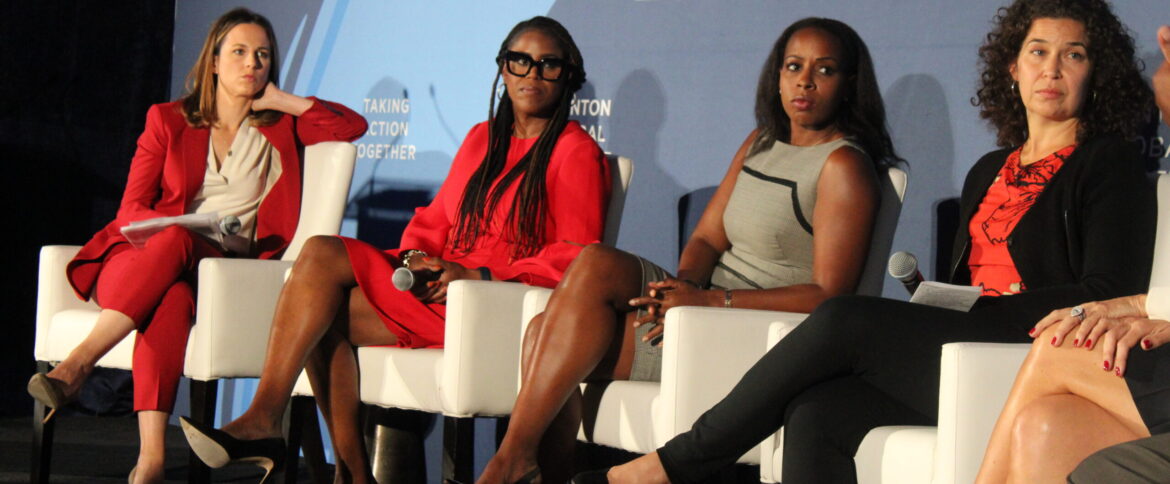
Thasunda Brown Duckett at the Clinton Global Initiatives

In the United States, centuries of systemic racial discrimination have locked communities of color out of the tools and opportunities to build generational wealth. These persistent inequities are evident in the country’s entrepreneurial and financial landscape – only 2 percent of businesses with employees are Black-owned, and only 6 percent are Latino-owned.


Of all U.S. asset management firms – key wealth creators and allocators – those owned by persons of color control just 0.7 percent of U.S.-based assets under management. Despite heightened awareness of bias and calls for equity and justice, the focus has often been on increasing representation in leadership positions instead of enabling more diverse ownership of the businesses and capital that

drive the nation’s economy.

This session explored:

• How do we create pathways to asset building, wealth creation, and ownership for historically excluded communities?

• How can we work together to identify and break down the greatest systemic barriers that have slowed and prevented asset building and wealth creation?

• How can we support the growth of asset allocators, fund managers, and entrepreneurs of color?

Speakers:

• Thasunda Brown Duckett, President and CEO, TIAA

• Janis Lee Bowdler, Counselor for Racial Equity, U.S. Department of the Treasury

• James A. Casselberry Jr., Chief Executive Officer, Known Holdings LLC

• Patty Arvielo, Co-Founder & President, New American Funding

• Alicia Menendez, MSNBC host of “American Voices with Alicia Menendez,” author of “The Likeability Trap,” and host of the “Latina to Latina” podcast

• Nathalie Molina Niño, Co-Founder and Chief Strategy Officer, Known Holdings


Reversing the Global Slide on Poverty

Reversing the Global Slide on Poverty:

How We Can Scale Up Proven Anti-Poverty Solutions

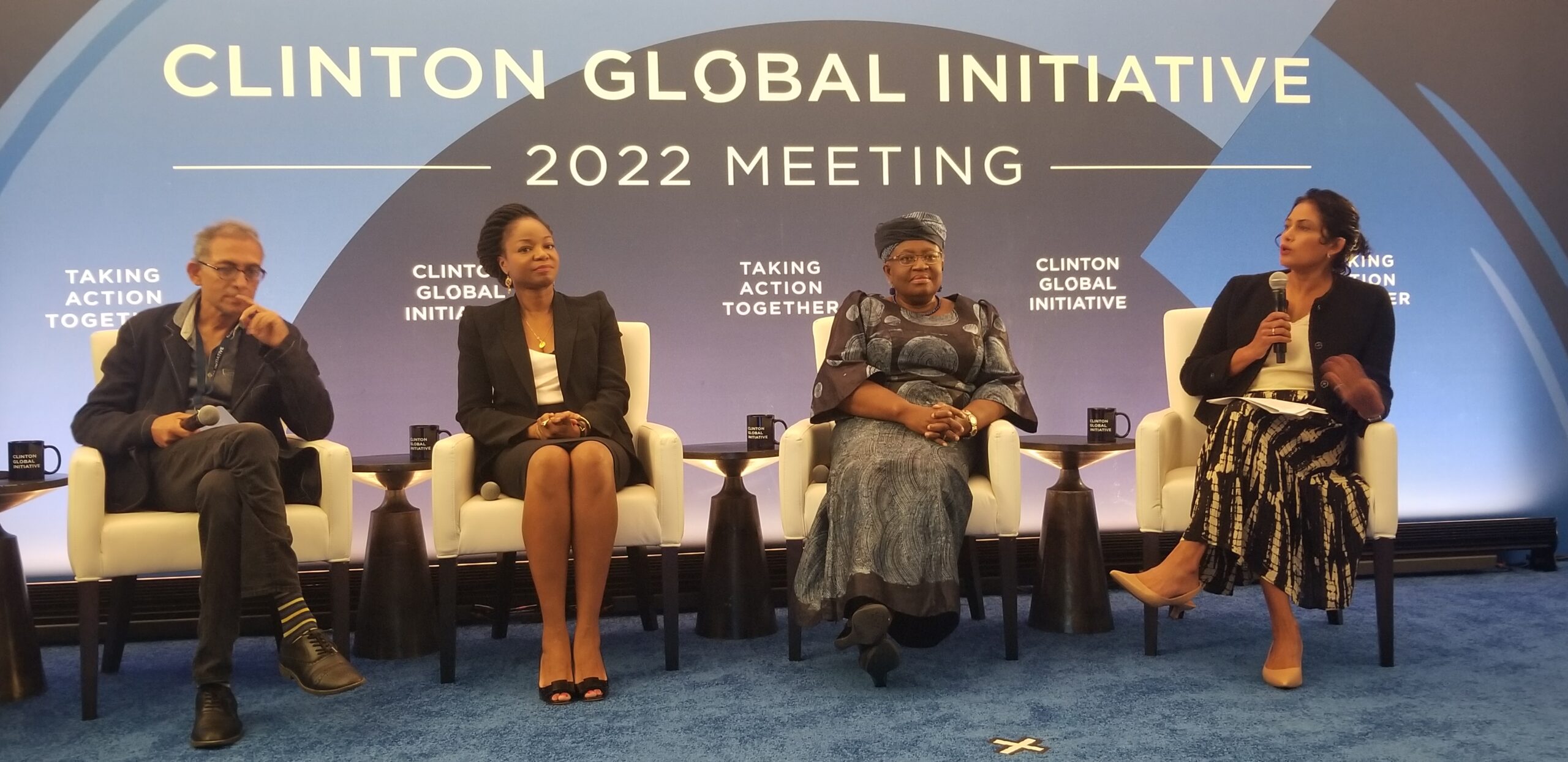
The continuing impacts of the COVID-19 pandemic, rising inflation, and the war in Ukraine have exacerbated global poverty levels. According to the World Bank, between 75 and 95 million people are likely to be pushed into extreme poverty this year, reversing decades of progress on global poverty alleviation. In the face of severe loss of income, social protection measures like direct cash transfers, poverty graduation, and cash plus programs have proven extremely effective in providing fast relief to those facing disruption. Strengthening the social protection infrastructure, and pairing immediate poverty relief with long-term strategies, is key to helping the most affected communities rebound and withstand future shocks.

The session explored:

• How can governments, businesses, and NGOs work together to implement and scale up evidence-based anti-poverty solutions?

• How can we make social protection programs more robust and more responsive?

• How can we leverage data and technology to improve the targeting of anti-poverty interventions so that the most vulnerable are not left behind?

Speakers:

• Dr Ngozi Okonjo-Iweala, Director-General, World Trade Organization.

• Cina Lawson, Minister of Digital Economy and Transformation, Government of Togo

• Prof. Abhijit Vinayak Banerjee, Ford Foundation International Professor of Economics, Massachusetts Institute of Technology

• Gargee Ghosh, President, Global Policy and Advocacy, Bill & Melinda Gates Foundation

• Alice Patterson Albright, Chief Executive Officer, Millennium Challenge Corporation

Hillary Rodham Clinton At Home

Home:

How to Foster Community and Belonging in an Increasingly Unstable World

Hillary Clinton and Malala Yousafzai at the Clinton Global Initiatives

Today, 1 in every 95 people around the world has been forced to leave their homes– the highest number on record – due to political persecution, conflict, violence, and climate change. For many others, natural disasters and a lack of housing and public services threaten their ability to stay rooted in their communities. While these trends present both short and long-term challenges, it prompts an important question – what does it mean to be at “home”?

WATCH: Clinton Global Initiative September 2022 Meeting – Clinton Foundation

Speakers explored how to foster community and belonging in an increasingly unstable world.

Speakers:

  • Hillary Rodham Clinton, Former Secretary of State
  • David Wright Miliband, President and CEO, International Rescue Committee
  • Her Majesty Queen Rania Al Abdullah of the Hashemite Kingdom of Jordan
  • Hamdi Ulukaya, CEO and Founder, Chobani; Founder, Tent Partnership for Refugees
  • Dr. Noubar Afeyan: Founder and CEO, Flagship Pioneering; Co-Founder & Chairman, Moderna
  • Muhidin Libah, Executive Director, Somali Bantu Community Association
  • Filippo Grandi, UN High Commissioner for Refugees
  • Jesper Brodin, CEO, Ingka Group, Ikea
  • Polina Frishko, Executive Director, Carolinas for Ukraine
  • Malala Yousafzai, Activist, The Malala Fund
  • Ana Marie Argilagos, President and CEO, Hispanics in Philanthropy